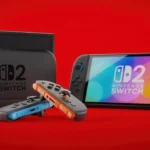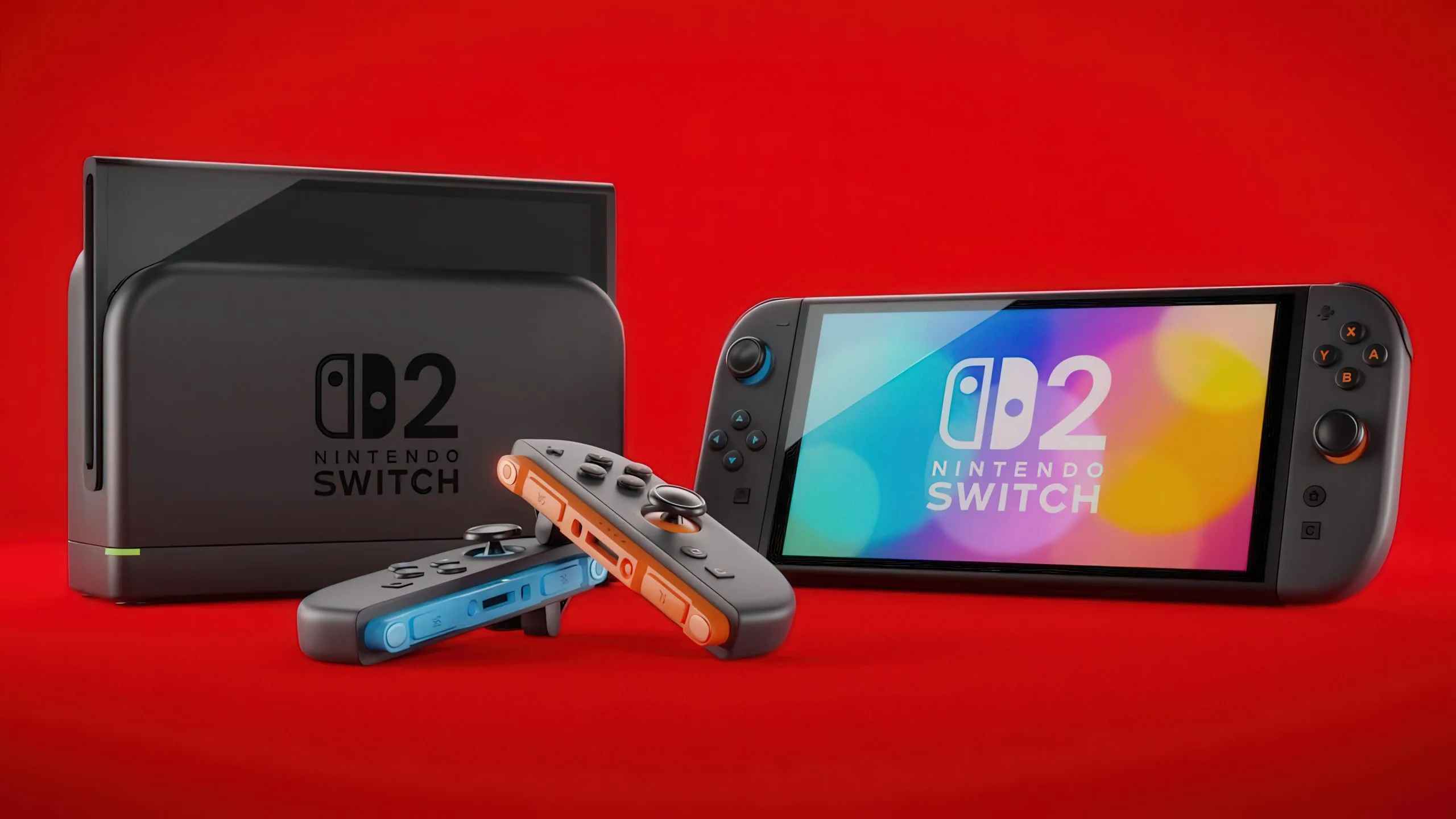

The Nintendo Switch 2 is bigger, faster and far more capable than the original Switch. It has a 1080p display, much better performance, 256GB of internal storage and support for newer games that Nintendo’s ageing first-generation hardware simply cannot handle.
That should make answering “is the Nintendo Switch 2 worth it?” easy, right?
Nope.
Nintendo’s new console is unquestionably better hardware, but it is also an increasingly expensive upgrade. As of September 1, 2026, the EU MSRP has risen from €469.99 to €499.99. If you already have an original Switch or Switch OLED sitting under the TV, dropping another $500 becomes considerably harder to justify.
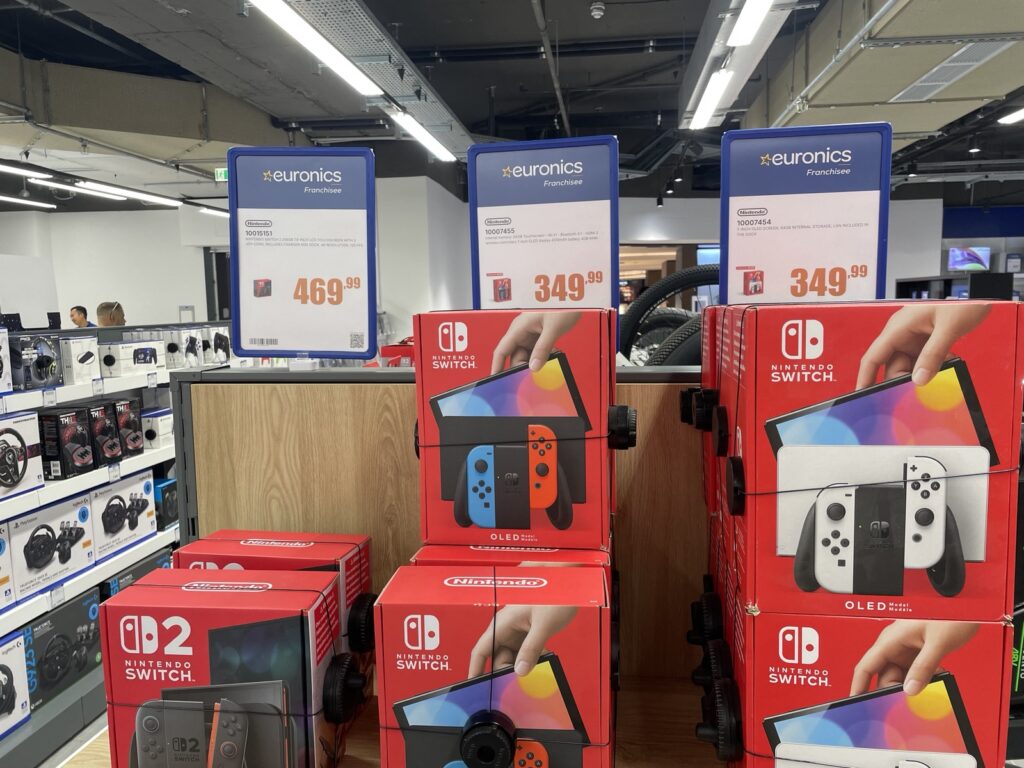
There is also another option that tends to get ignored in mainstream Switch 2 comparisons: keeping your original Nintendo Switch and modding it.
That will not magically turn an old Switch into a Switch 2, but for the right kind of player it can breathe a surprising amount of new life into hardware you already own.
So, should you buy a Switch 2, stick with the original or go down the modding route?
The Short Answer: Is the Nintendo Switch 2 Worth It?
In my opinion, given the amount of games being ported to the Switch 2, I would say yes but mostly if you actually need what the Switch 2 offers and don’t have a Switch 1 already.
If you want to play Nintendo’s newest exclusives, care about smoother performance, regularly play on a large TV or use your Switch as your main gaming system, the Switch 2 is the obvious choice.
If you already have a Switch OLED like I do, mainly play older Nintendo games and have a backlog large enough to survive the next minor apocalypse, the upgrade is much less urgent, and here I would go the modding route.
At $499.99 in the US, the Switch 2 has moved out of impulse-purchase territory. The hardware is good. The question is whether the games and performance improvements are worth another console-sized hole in your bank account.
Switch 2 vs Original Switch: What Are You Actually Getting?
The biggest improvement is performance.
The original Nintendo Switch launched in 2017 using hardware that was modest even at the time. Developers worked miracles with it, but by the end of the console’s life you could increasingly see where the limits were.
The Switch 2 has substantially more capable hardware built around a custom Nvidia processor. According to Nintendo’s official Switch 2 specifications Nintendo Switch 2 specifications, the system includes a 7.9-inch 1920×1080 LCD display, HDR support, variable refresh rates up to 120Hz and 256GB of internal storage.
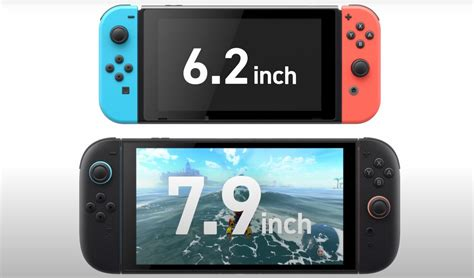
Credit: handyha
Docked games can output at up to 4K resolution, while supported games can run at up to 120fps at lower resolutions.
That is a serious jump from the original Switch’s 720p handheld display and 1080p maximum docked output.
You notice the difference most in games that struggled on the old hardware. Load times can be shorter, frame rates are more stable and developers have considerably more room to work with.
The system also feels more modern. The Joy-Con 2 controllers attach magnetically and can function as mouse-style controllers in supported games. GameChat adds built-in communication features, and the extra internal storage means you are not immediately playing the traditional Switch game of “which download do I delete this time?”
None of these features individually make the original Switch obsolete. Together, though, they make Switch 2 feel much less constrained.
The Games Are Becoming the Strongest Reason to Upgrade
At launch, one of the biggest arguments against the Switch 2 was simple: there were not enough games that made the new hardware essential.
That argument is getting weaker.
Mario Kart World and Donkey Kong Bananza gave Nintendo fans some early reasons to jump over. Since then the library has expanded with games including Pokémon Pokopia, Star Fox, Splatoon Raiders and other titles that are exclusive to Nintendo’s newer hardware.
Third-party support is also much stronger now that developers have hardware with considerably more headroom.
Games such as Elden Ring, Indiana Jones and the Great Circle and newer big-budget releases would have been extremely difficult to imagine running convincingly on the original Switch.
Capcom’s Pragmata is another example. If that sort of technically ambitious third-party game interests you, we have a full breakdown in our Pragmata release date, gameplay and everything we know guide.
This is ultimately where the Switch 2 will win the argument over time.
You can improve an original Switch in plenty of ways. You cannot make it play games designed exclusively for hardware it does not have
Could Modding Your Original Switch Be the Better Option?
For some people, absolutely. I for one went down this route.
An original Nintendo Switch can become a much more interesting device once you move beyond the stock Nintendo software experience. Ever since I got my Switch OLED modded, I’ve been using it way more than I have before, as it was just collecting dust for the most part.
Once modded, I started to realize how capable the Switch could have been if Nintendo didn’t lock it down as much as they did. Some features get unlocked through software like Horizon OC, which allows you to overclock the system and even play games at 60 FPS. There are even individuals who put on totally different operating systems like Android, which is absolutely crazy if you ask me.
With modding it’s not all roses and daisies though. Not every Switch is equally easy to modify. Some early first-generation consoles contain hardware vulnerabilities that make them considerably more mod-friendly. Later Switch revisions, Switch Lite and Switch OLED systems generally involve more complicated hardware modification that requires modchips and expert soldering. That said, for the latter there are services you can find locally through Facebook Marketplace, as I have. Usually modders would charge around $100, which is quite worth it to breathe new life into your old console.
So Who Should Buy a Nintendo Switch 2?
The Switch 2 makes the most sense if Nintendo is one of your primary gaming platforms.
If you want the next generation of Mario, Zelda, Pokémon, Fire Emblem and whatever Nintendo decides to throw at us over the coming years, you are eventually going to need one.
It is also a worthwhile upgrade for players who were frustrated by the original Switch’s performance. The difference in demanding games is significant enough that returning to the older hardware can feel rough once you have adjusted to Switch 2.
Anyone buying their first Nintendo console should probably go straight to Switch 2 as well, assuming the price fits their budget. Backwards compatibility gives you access to most of the enormous original Switch library while still leaving you ready for future releases.
Is the Switch 2 Worth It?
The Nintendo Switch 2 could be worth getting, but it is no longer an automatic recommendation for everyone who owns the original. At $499.99, the value depends heavily on what you actually want to play.
I personally won’t be shelling out any money for it, even with the new ports coming out, as I’m currently busy enjoying my newly modded Switch OLED in all its unintended glory.